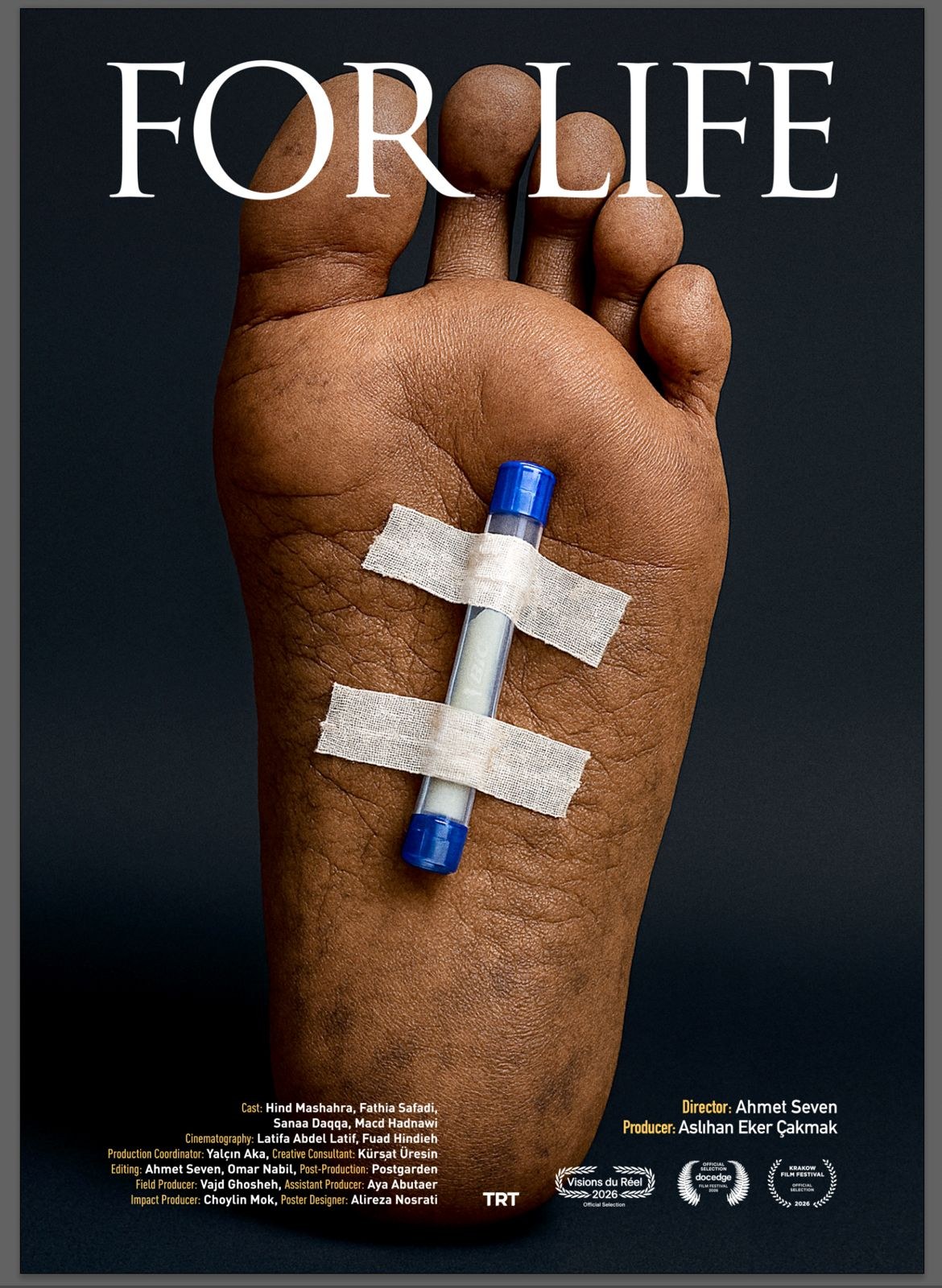
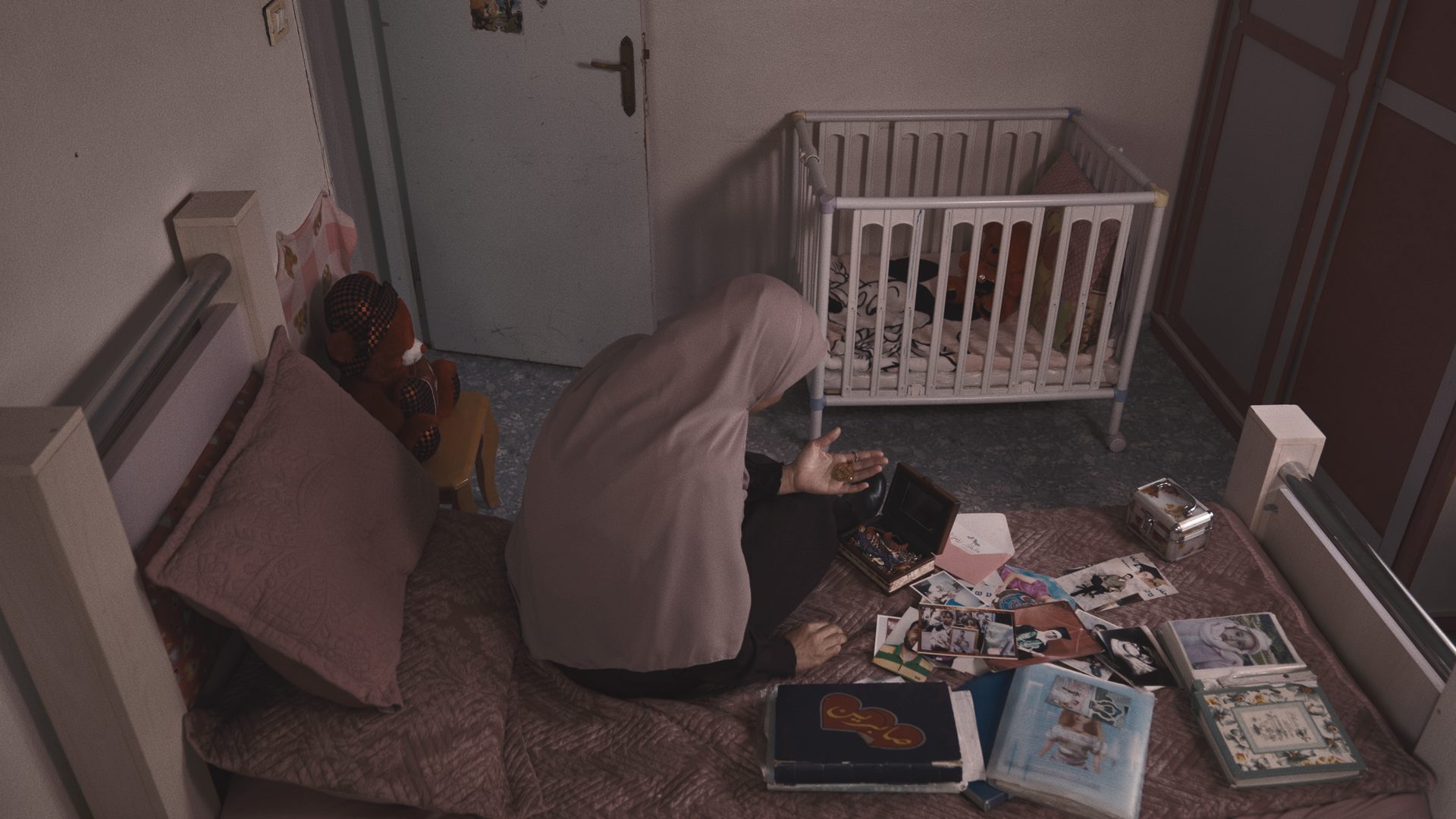
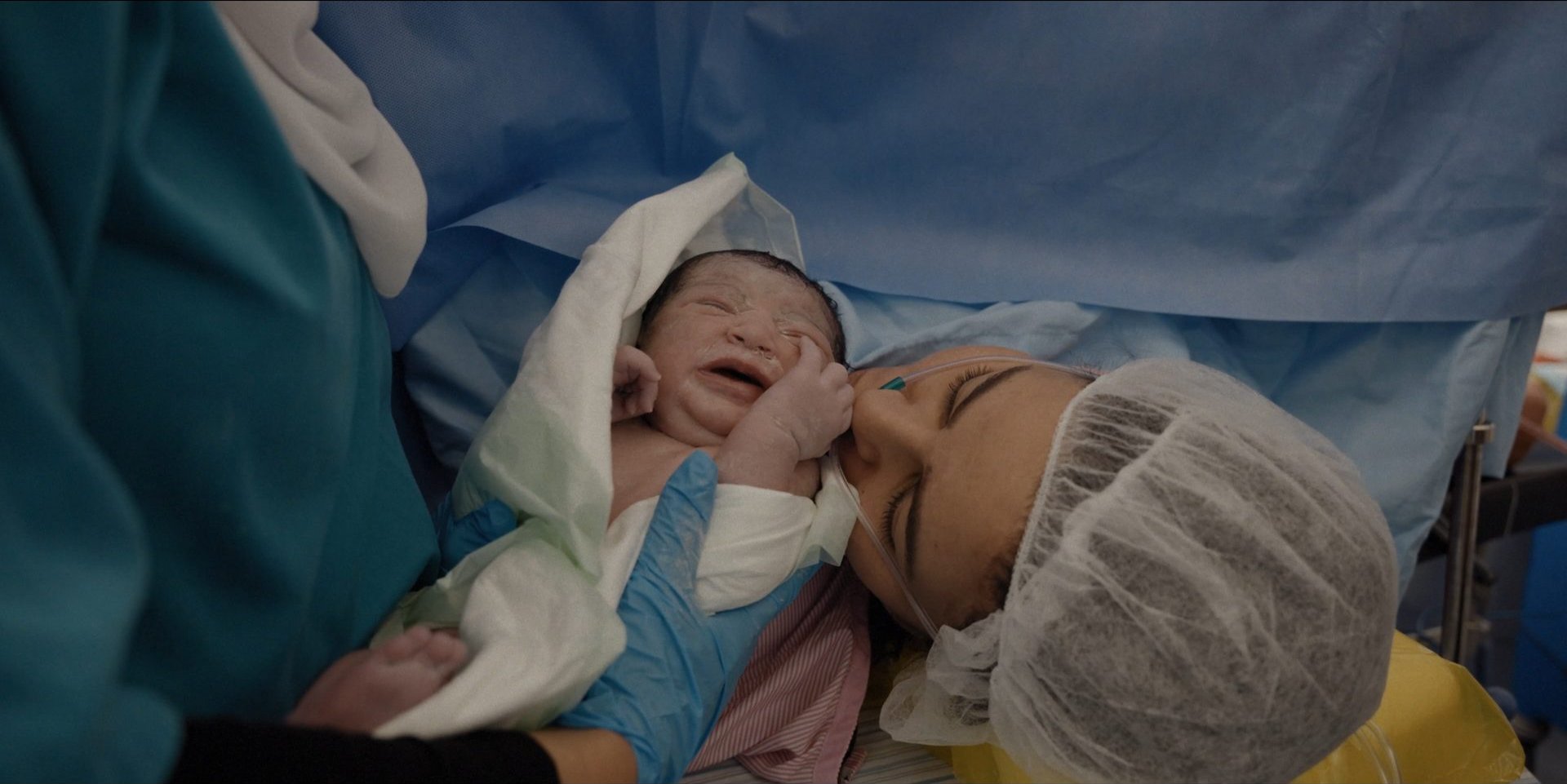
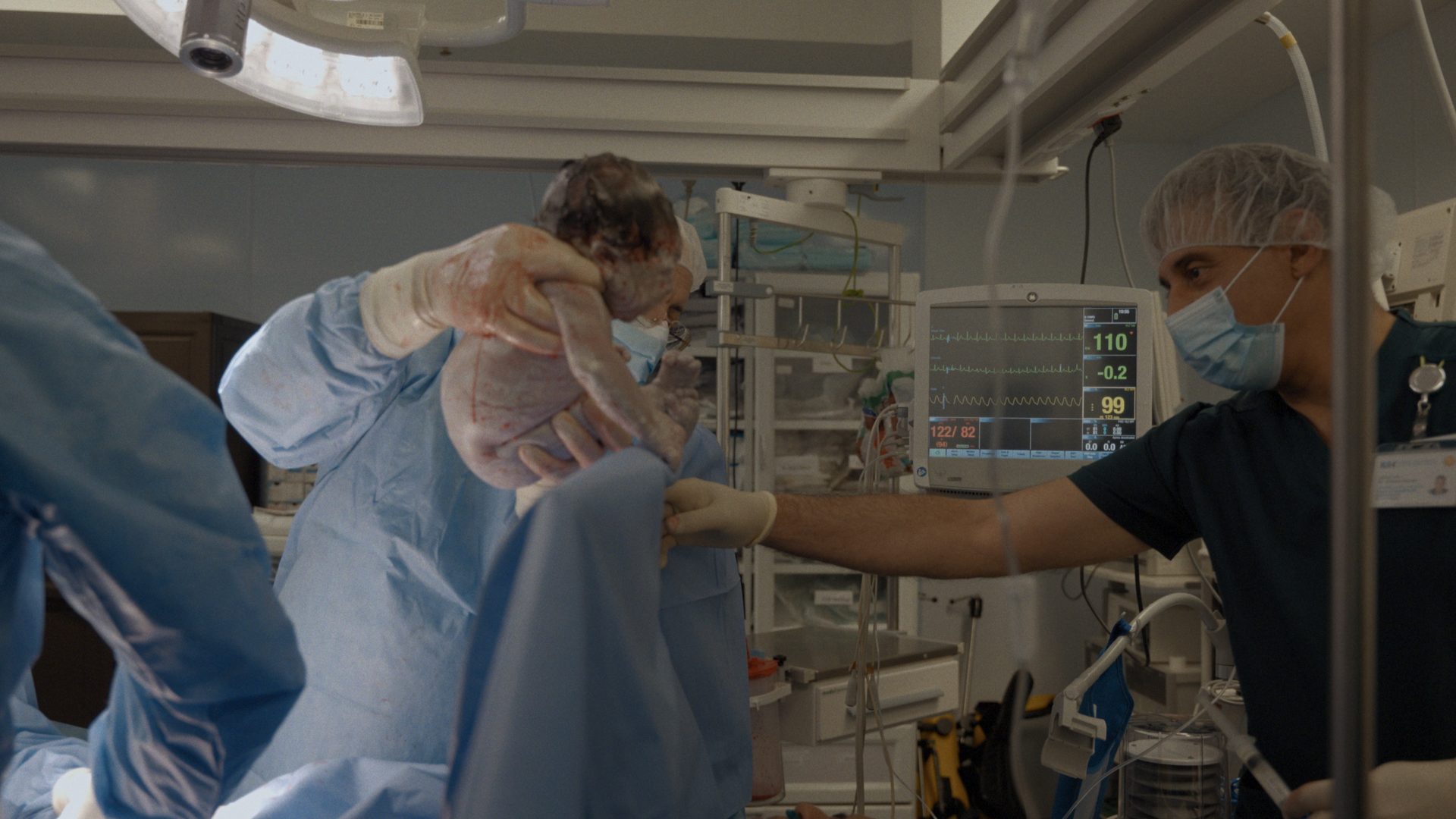
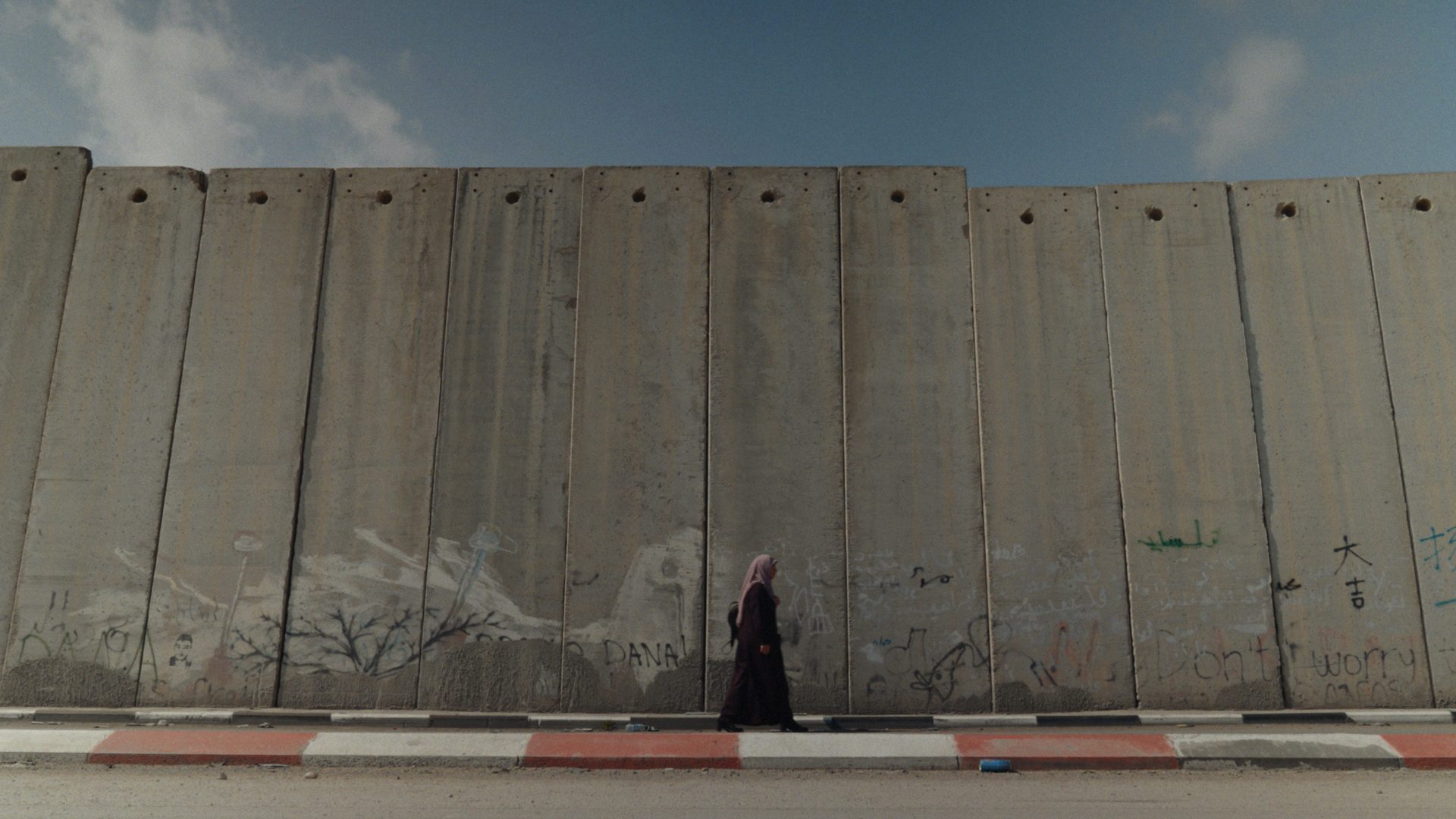
I was drawn to this story not because of its political context, but because of the quiet determination of the women at its center. Like women everywhere, the wives of Palestinian prisoners dream of motherhood. What sets their experience apart is the extraordinary cost of pursuing such an ordinary desire.
From the beginning, the greatest challenge was building trust. As a male director, accessing such intimate stories required time and patience. For a long period, I chose not to turn on the camera at all. I listened, spent time with the women, and allowed relationships to develop naturally. Gradually, I was no longer perceived as a "director," but as someone present in their everyday lives. The film became possible through this trust.
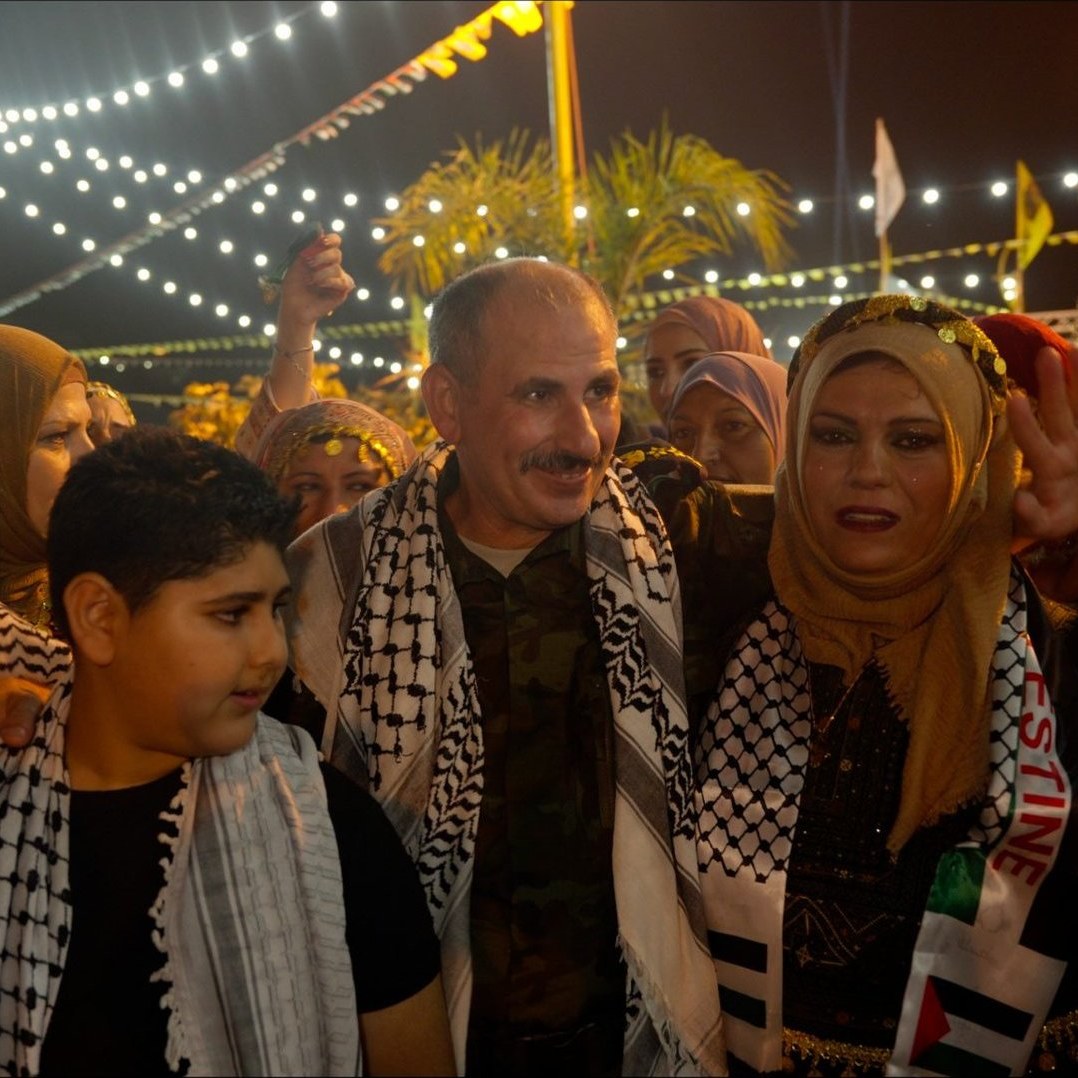
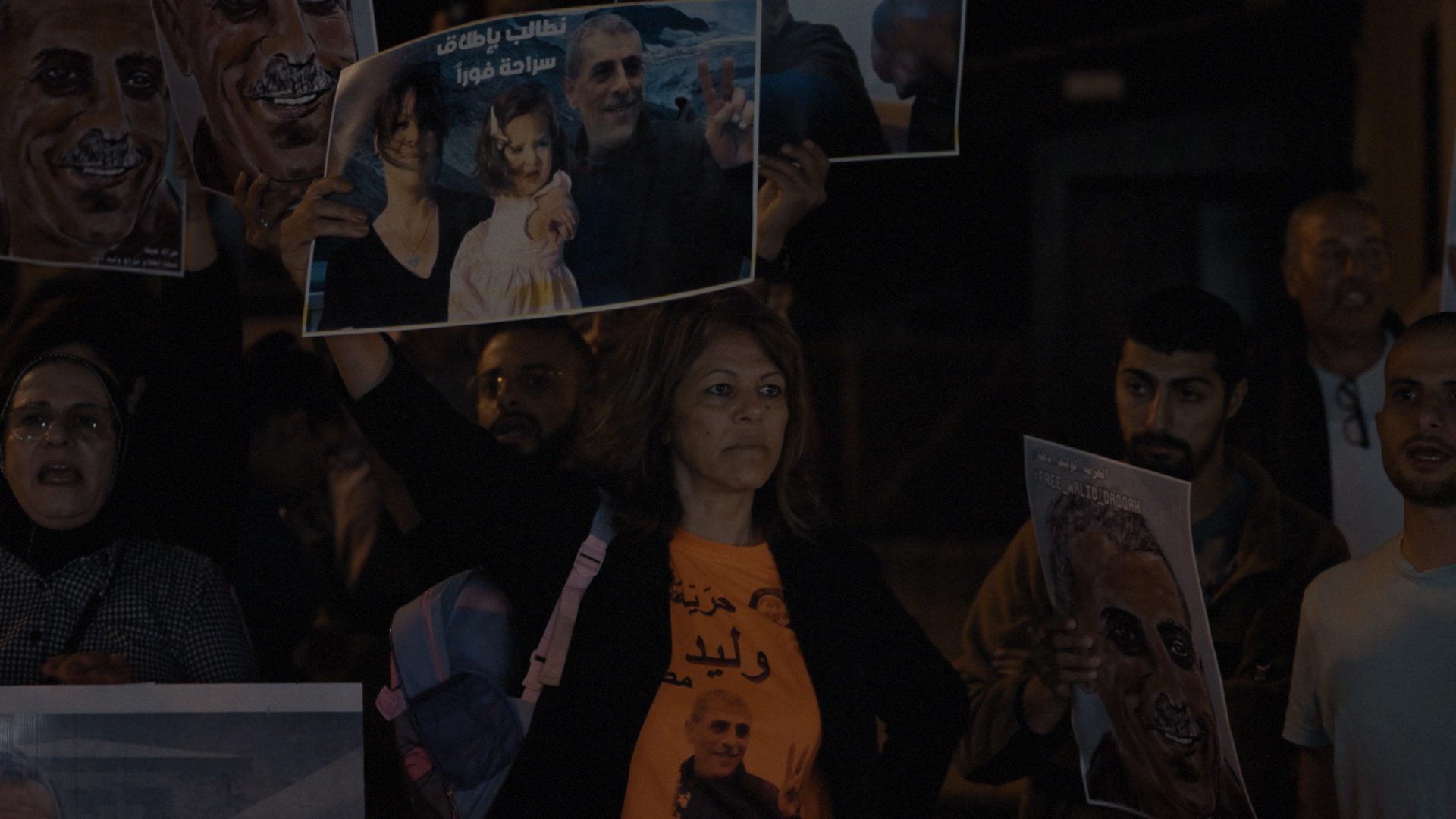
The women agreed to participate not because they wanted to expose themselves, but because making their experience visible carried both human and political meaning for them. They did not see what they were living through as merely personal, but as part of a collective reality shared by many women. Allowing the camera into such a private — and even illegal — process was a risk, but one they chose to take in order to leave a testimony, a trace, a memory.
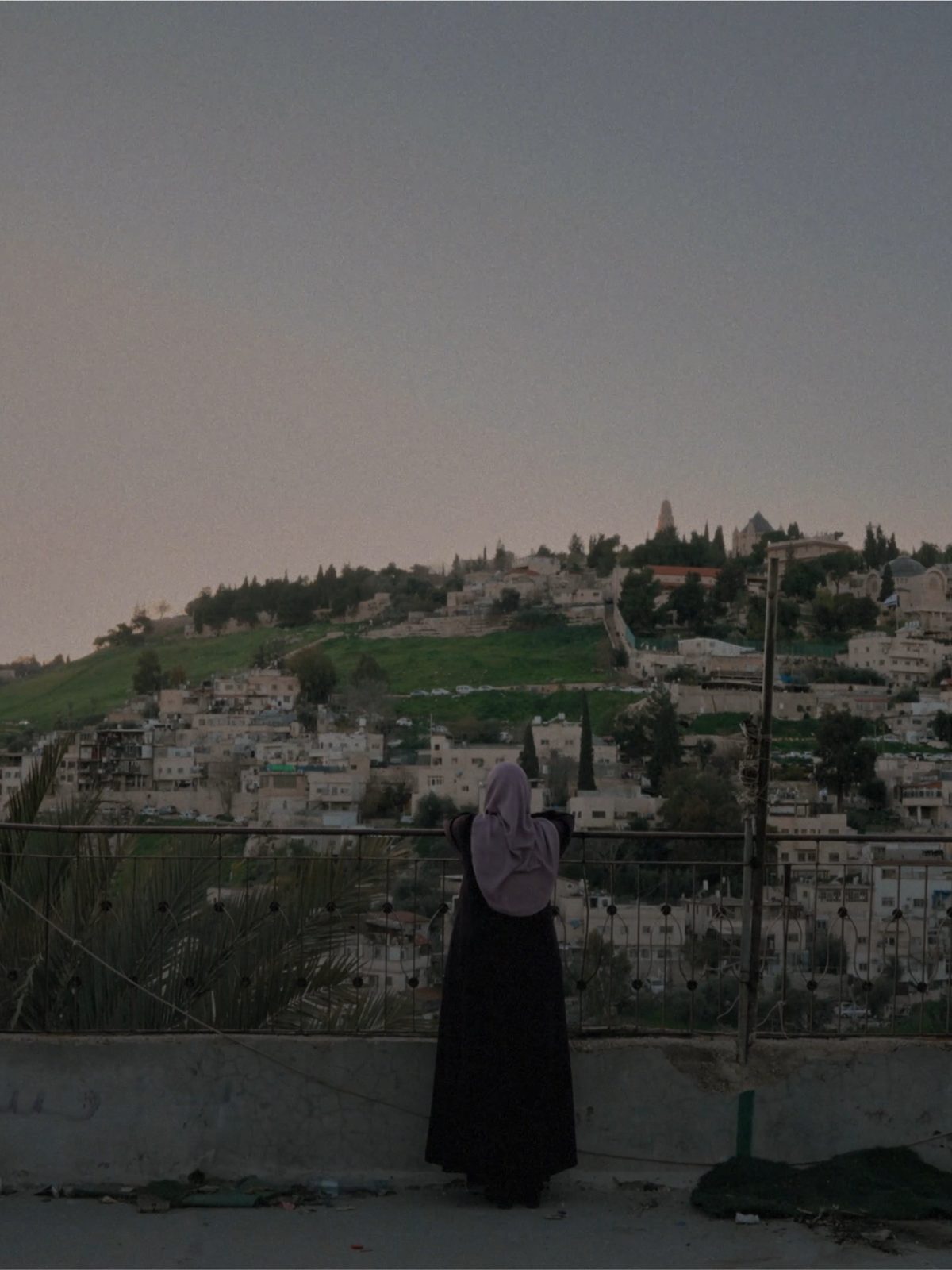
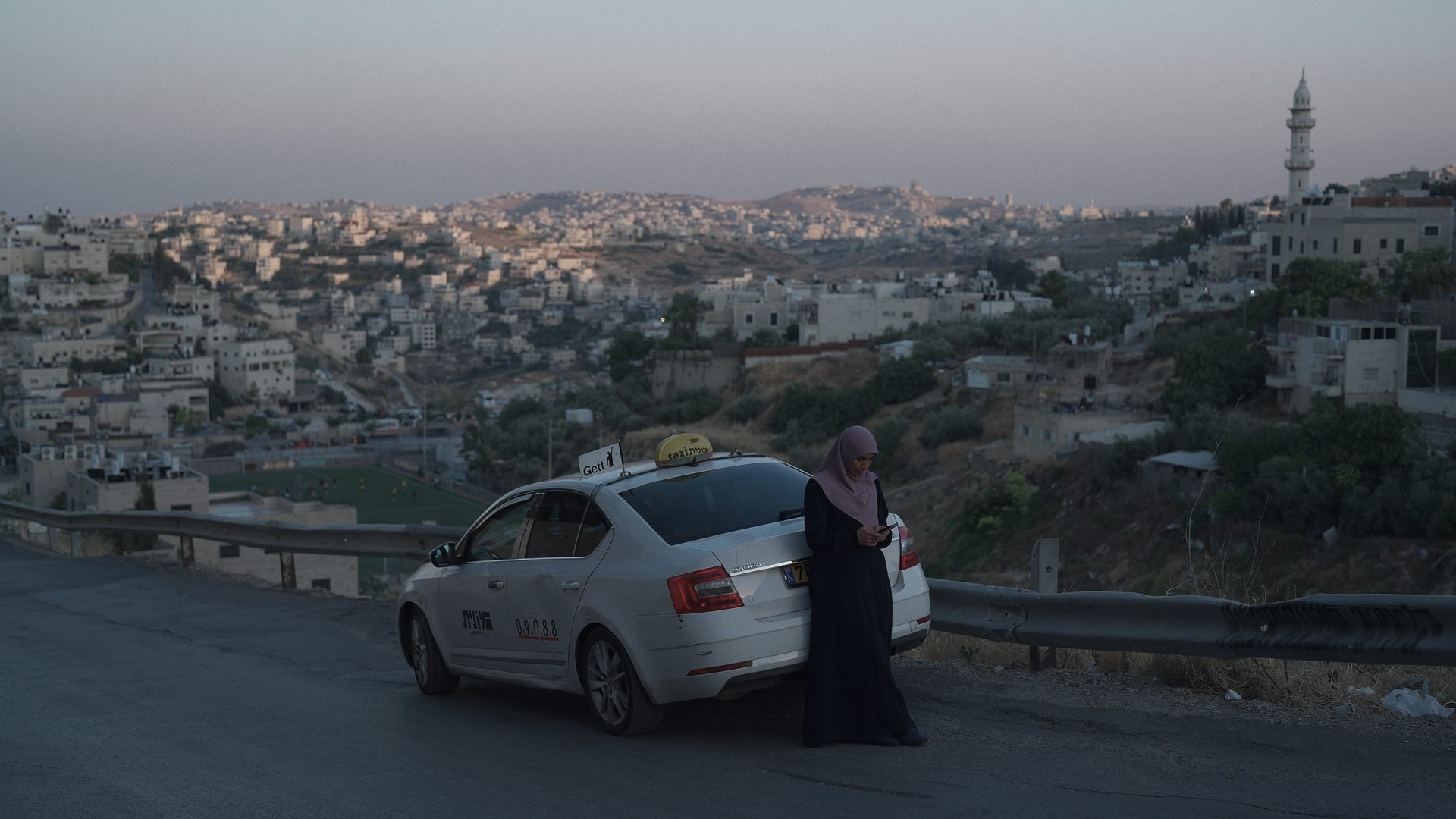
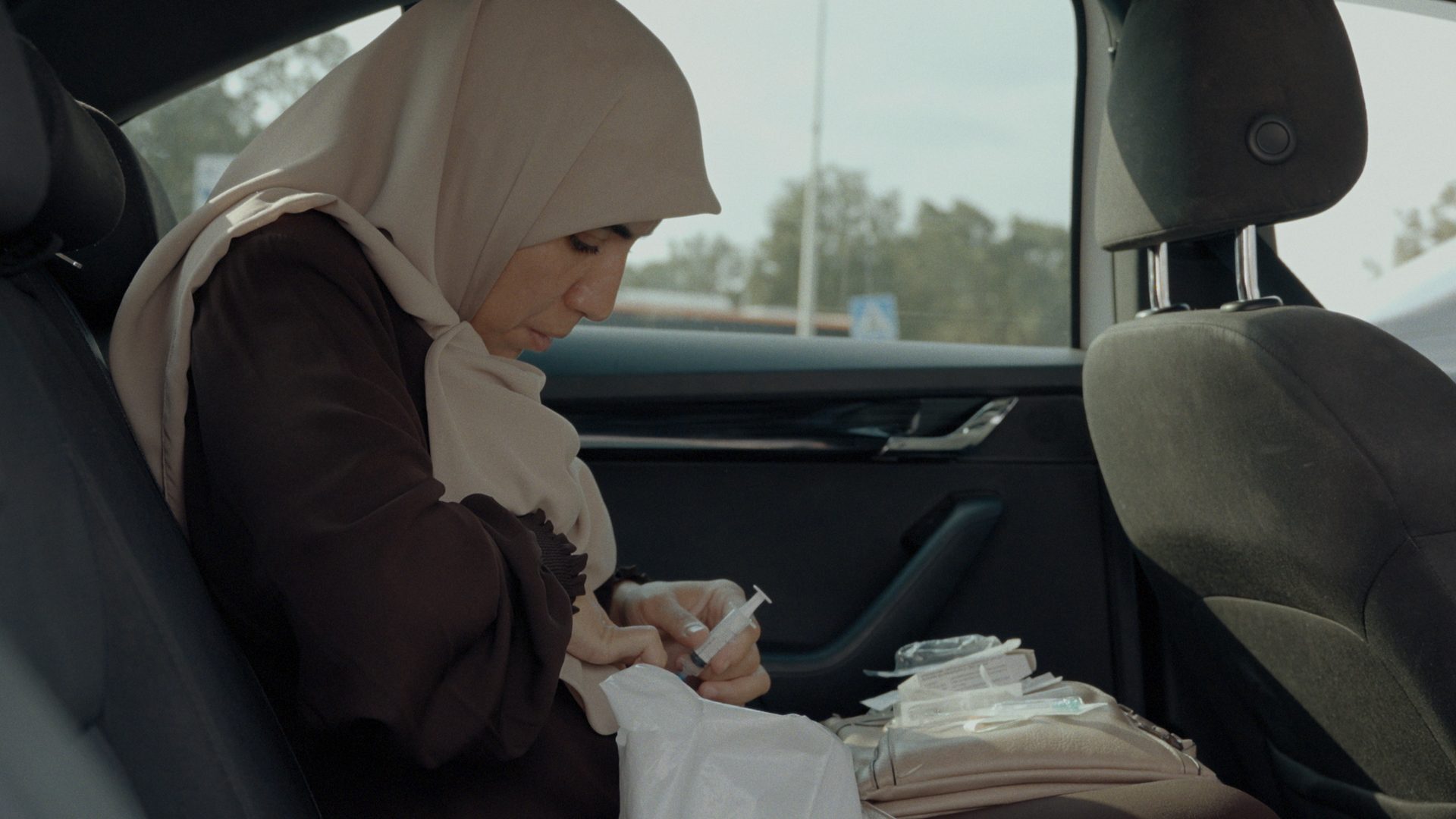
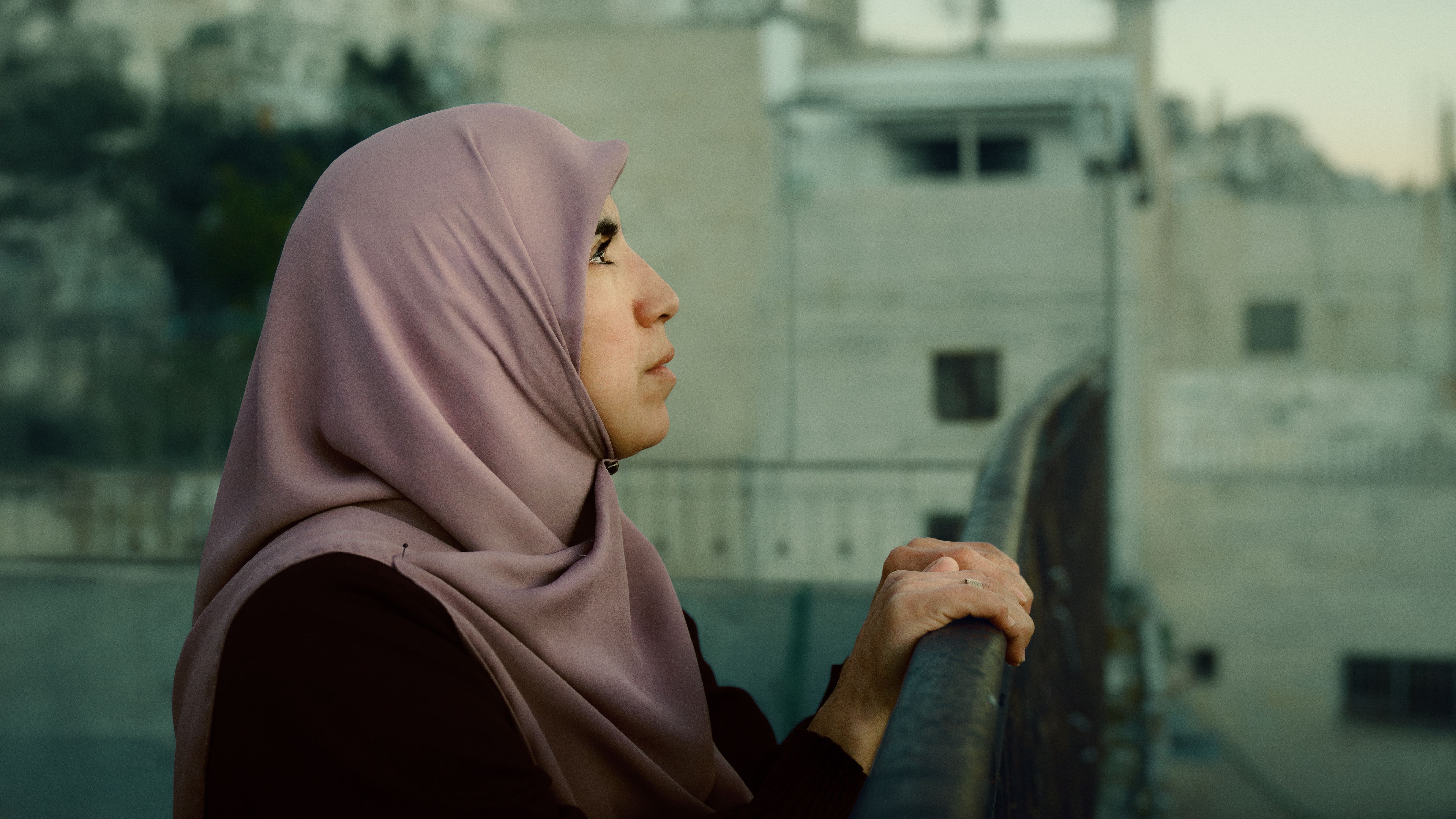
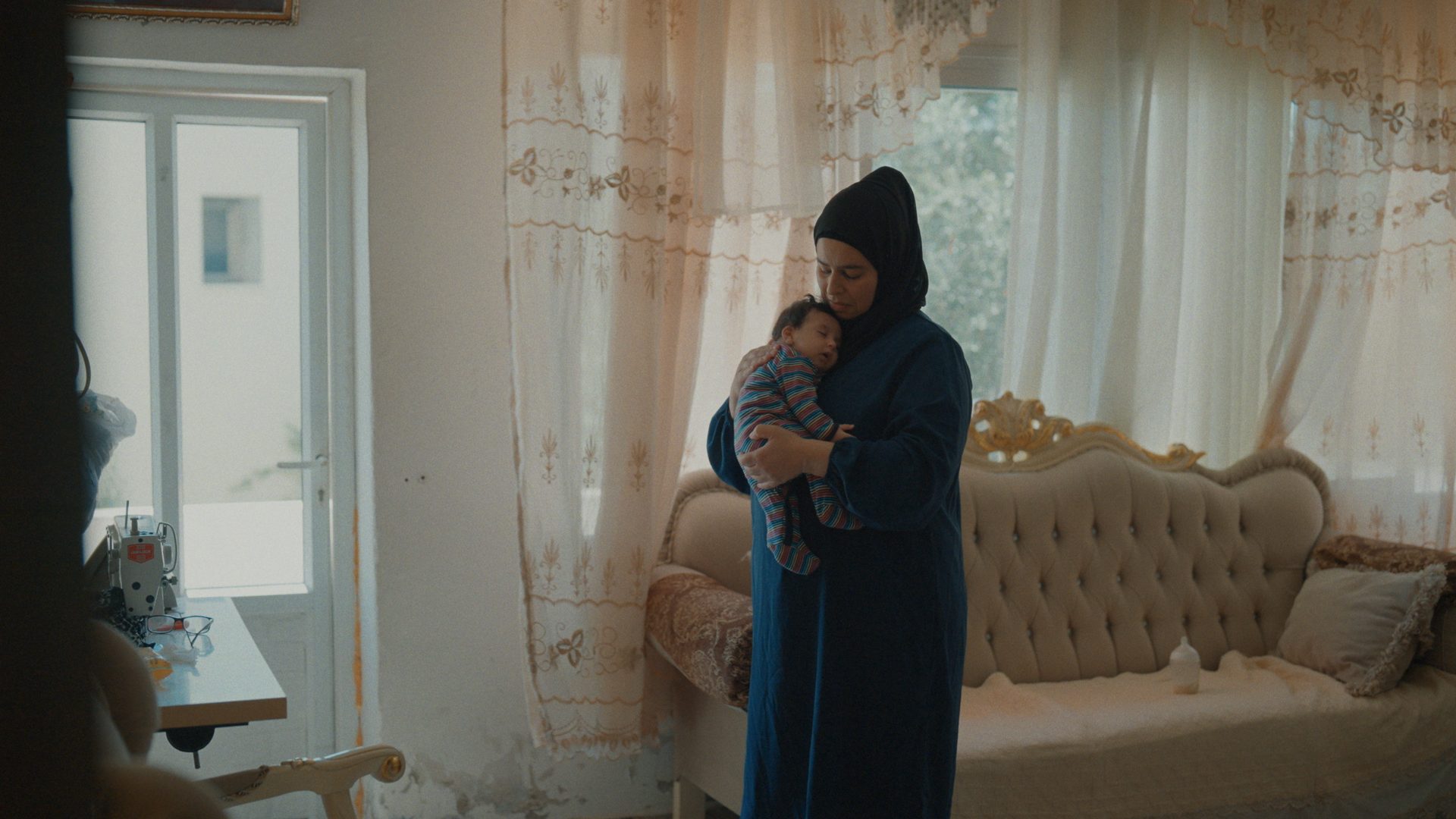
I followed Hind over several years, intermittently but consistently. It was important for me to respect the natural rhythm of her life and to allow events to unfold on their own terms. I did not want to turn her into a symbol or a spokesperson. Instead, I stayed close to the life she was actually living — through waiting, repeated attempts, moments of hope, and the quiet resolve required simply to continue. The film emerged from the accumulation of this time.
Choosing an observational approach was central to the film's form. I wanted a non-intrusive camera, because life itself was already dramatic enough. I deliberately avoided interviews, voice-over, or explanatory commentary, and chose not to use music to guide emotion. My intention was to allow meaning to arise from actions, silences, and lived dialogue, and for the audience to witness events directly rather than be told how to interpret them.
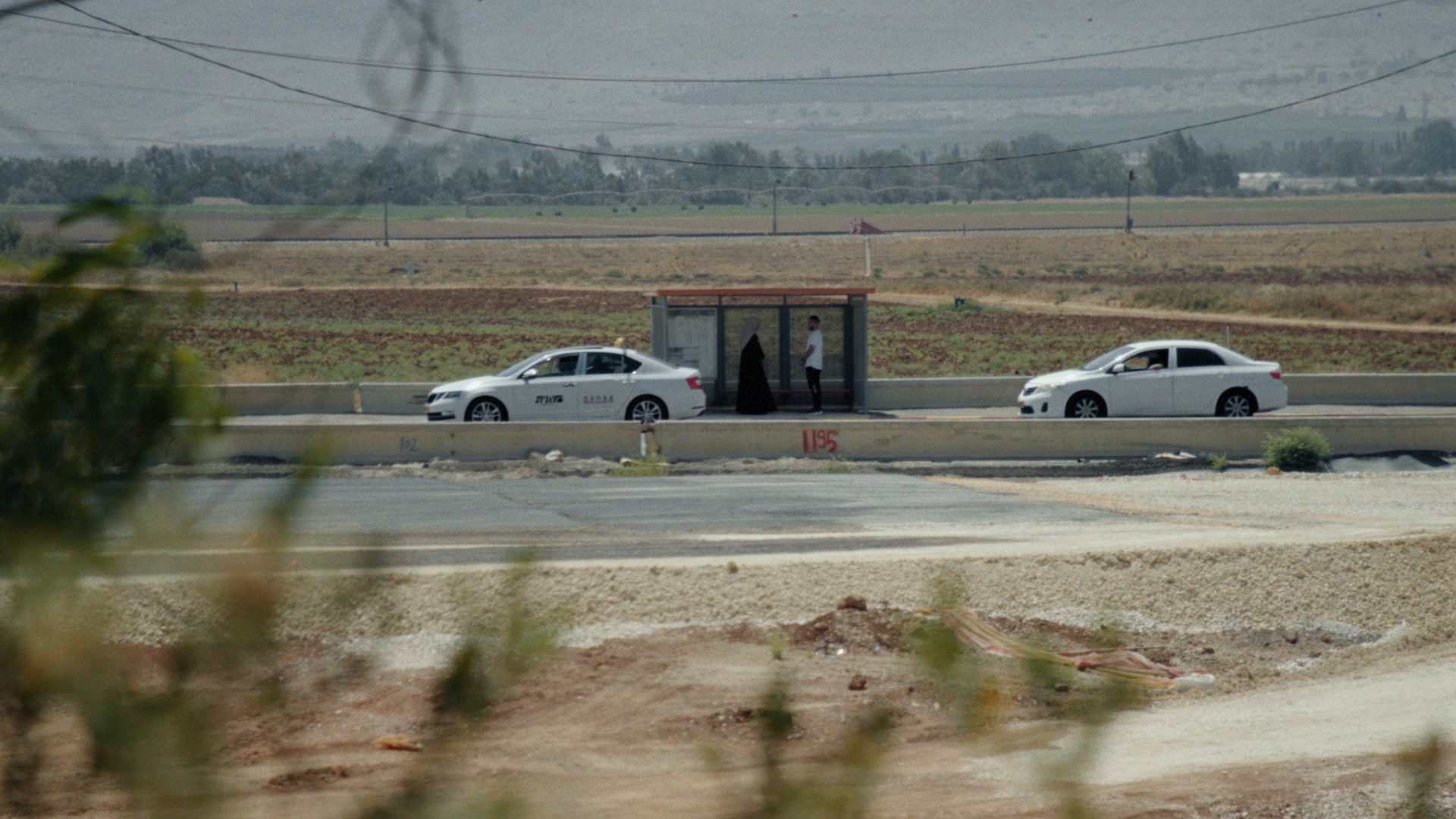
Filming in the West Bank and East Jerusalem brought constant challenges. Restrictions on movement, uncertainty, and security concerns often shaped when and how we could film. Working with a very small crew and remaining as invisible as possible was essential, both for safety and for protecting intimacy. These conditions ultimately reinforced the film's restrained and intimate cinematic language.
In For Life, motherhood is not framed as an achievement or a resolution, but as a fragile hope — shaped by power, control, and enforced absence. Refusing easy answers or closure, the film creates a shared space of witnessing, leaving the audience with a lived reality that extends beyond the frame.
— Ahmet Seven
Bu hikâyeye siyasi bağlamı için değil, merkezindeki kadınların sessiz kararlılığı için çekildim. Dünyanın her yerindeki kadınlar gibi Filistinli mahkûm eşleri de annelik düşlüyor. Onların deneyimini farklı kılan şey, böylesine sıradan bir arzunun peşinden gitmenin olağanüstü bedeli.
En baştan beri en büyük zorluk güven inşa etmekti. Bir erkek yönetmen olarak böylesine mahrem hikâyelere ulaşmak zaman ve sabır gerektiriyordu. Uzun bir süre kamerayı hiç açmamayı tercih ettim. Dinledim, kadınlarla zaman geçirdim, ilişkilerin doğal akışında gelişmesine izin verdim. Yavaş yavaş artık bir "yönetmen" olarak değil, gündelik hayatlarının içinde bulunan biri olarak algılanmaya başladım. Film, bu güven sayesinde mümkün oldu.
Kadınlar kendilerini teşhir etmek için değil, deneyimlerini görünür kılmanın hem insani hem siyasi bir anlam taşıdığı için katılmayı kabul ettiler. Yaşadıklarını yalnızca kişisel değil, pek çok kadının paylaştığı kolektif bir gerçekliğin parçası olarak görüyorlardı. Kameranın bu denli özel — hatta yasadışı — bir sürece girmesine izin vermek bir riskti; ama bir tanıklık, bir iz, bir hatıra bırakmak için aldıkları bir riskti.
Hind'i yıllar boyunca, kesintili ama tutarlı bir biçimde takip ettim. Hayatının doğal ritmine saygı duymak ve olayların kendi koşullarında gelişmesine izin vermek benim için önemliydi. Onu bir sembol ya da sözcü hâline getirmek istemedim. Bunun yerine, gerçekten yaşadığı hayatın yakınında kaldım — bekleyişler, tekrarlanan denemeler, umut anları ve sadece devam edebilmek için gereken sessiz kararlılık eşliğinde. Film, bu zamanın birikiminden doğdu.
Gözlemci bir yaklaşım seçmek, filmin biçiminin merkezindeydi. Müdahale etmeyen bir kamera istedim, çünkü hayatın kendisi yeterince dramatikti. Röportajlardan, dış sesten ya da açıklayıcı anlatımdan bilinçli olarak kaçındım ve duyguyu yönlendirmek için müzik kullanmamayı seçtim. Niyetim, anlamın eylemlerden, sessizliklerden ve yaşanmış diyaloglardan doğmasına izin vermek; izleyicinin olayları nasıl yorumlayacağı söylenmek yerine doğrudan tanık olmasıydı.
Batı Şeria ve Doğu Kudüs'te çekim yapmak sürekli zorluklar getirdi. Hareket kısıtlamaları, belirsizlik ve güvenlik kaygıları çoğu zaman ne zaman ve nasıl çekim yapabileceğimizi belirledi. Çok küçük bir ekiple çalışmak ve mümkün olduğunca görünmez kalmak hem güvenlik hem de mahremiyeti korumak açısından elzemdi. Bu koşullar, filmin ölçülü ve mahrem sinematik dilini daha da pekiştirdi.
For Life'ta annelik bir başarı ya da bir çözüm olarak değil; iktidarın, kontrolün ve dayatılmış yokluğun şekillendirdiği kırılgan bir umut olarak çerçevelenir. Kolay yanıtları ya da kapanışı reddeden film, paylaşılan bir tanıklık alanı yaratıyor; izleyiciye kareyi aşan, yaşanmış bir gerçeklik bırakıyor.
— Ahmet Seven
انجذبت إلى هذه القصة لا بسبب سياقها السياسي، بل بسبب التصميم الهادئ للنساء في مركزها. مثل النساء في كل مكان، تحلم زوجات الأسرى الفلسطينيين بالأمومة. ما يميّز تجربتهن هو الكلفة الاستثنائية لملاحقة رغبة بهذه البساطة.
منذ البداية، كان التحدي الأكبر هو بناء الثقة. كمخرج رجل، تطلّب الوصول إلى مثل هذه القصص الحميمة وقتًا وصبرًا. لفترة طويلة، اخترت ألا أشغّل الكاميرا على الإطلاق. أصغيت، وأمضيت وقتًا مع النساء، وتركت العلاقات تتطوّر بشكل طبيعي. تدريجيًا، لم أعد أُرى كـ"مخرج"، بل كشخص حاضر في حياتهن اليومية. أصبح الفيلم ممكنًا بفضل هذه الثقة.
وافقت النساء على المشاركة ليس لأنهن أردن كشف أنفسهن، بل لأن جعل تجربتهن مرئية حمل لهن معنى إنسانيًا وسياسيًا في آن. لم يرين ما يعشنه شأنًا شخصيًا فحسب، بل جزءًا من واقع جماعي تشاركه نساء كثيرات. إن السماح للكاميرا بالدخول إلى عملية بهذه الخصوصية — بل وغير قانونية — كان مخاطرة، اخترن خوضها كي يتركن شهادة، أثرًا، ذاكرة.
تتبّعت هند على مدى سنوات عدّة، بشكل متقطّع لكن متواصل. كان من المهم لي أن أحترم الإيقاع الطبيعي لحياتها وأن أترك الأحداث تتكشّف بشروطها الخاصة. لم أرغب في تحويلها إلى رمز أو ناطقة باسم. بل بقيت قريبًا من الحياة التي كانت تعيشها فعلًا — عبر الانتظار، والمحاولات المتكررة، ولحظات الأمل، والتصميم الهادئ المطلوب لمجرد الاستمرار. وُلد الفيلم من تراكم هذا الوقت.
كان اعتماد المنهج الرصدي محوريًا في شكل الفيلم. أردت كاميرا غير متطفّلة، لأن الحياة نفسها كانت دراماتيكية بما يكفي. تعمّدت تجنّب المقابلات والتعليق الصوتي والشروحات، واخترت ألا أستخدم الموسيقى لتوجيه المشاعر. كانت نيّتي أن يتولّد المعنى من الأفعال والصمت والحوار المعاش، وأن يشهد الجمهور الأحداث مباشرة بدلًا من أن يُقال لهم كيف يفسّرونها.
حمل التصوير في الضفة الغربية والقدس الشرقية تحديات دائمة. كثيرًا ما كانت القيود على الحركة وعدم اليقين والمخاوف الأمنية تحدّد متى وكيف يمكننا التصوير. كان العمل بطاقم صغير جدًا والبقاء غير مرئيين قدر الإمكان أمرًا جوهريًا، لأسباب تتعلق بالسلامة وحماية الحميمية معًا. عزّزت هذه الظروف في النهاية لغة الفيلم السينمائية المتحفّظة والحميمة.
في مدى الحياة، لا تُؤطَّر الأمومة كإنجاز أو خاتمة، بل كأمل هشّ — تشكّله السلطة والسيطرة والغياب المفروض. ورفضًا للإجابات السهلة أو الإغلاق، يصنع الفيلم فضاءً مشتركًا للشهادة، تاركًا الجمهور أمام واقع معاش يمتدّ إلى ما هو أبعد من الكادر.
— أحمد سفن